


Why Myths Refuse to Die
Before mythology became a book genre, it was a survival tool. Stories carried warnings, preserved culture, explained the unknown, and gave people a way to understand themselves. Thousands of years later, we still return to these patterns. Whether in fantasy novels, superhero films, folklore, or spiritual traditions, mythic storytelling continues to shape how we view struggle, transformation, and belonging.
What Are Mythic Storytelling Genres?
Long before stories were written in books, they were shared around fires, passed between generations, and woven into the identity of entire communities. Mythic storytelling genres are the recurring types of stories that emerge from mythology, folklore, and legend. While they often feature gods, spirits, heroes, or monsters, their real purpose is exploring the questions humans have always asked: Where do we come from? Why do we suffer? What does transformation require? What happens when we lose our way?
Many mythic tales fall into familiar patterns:
Creation Myths: Stories that explain the origins of the world, humanity, or the natural forces that shape life.
Heroic Epics: Journeys of courage, sacrifice, and growth, where ordinary beings are challenged to become something greater.
Trickster Tales: Stories featuring clever rule-breakers who expose weaknesses, challenge authority, and reveal hidden truths.
Apocalyptic Myths: Narratives about endings, destruction, and renewal, often reflecting cycles of change rather than simple catastrophe.
Underworld Journeys: Descents into unknown realms where characters confront fear, loss, wisdom, or parts of themselves they have avoided.
While each genre has a distinct voice, they share a common thread: they use the extraordinary to explore deeply human experiences. That is why myths created centuries ago continue to feel surprisingly familiar today.
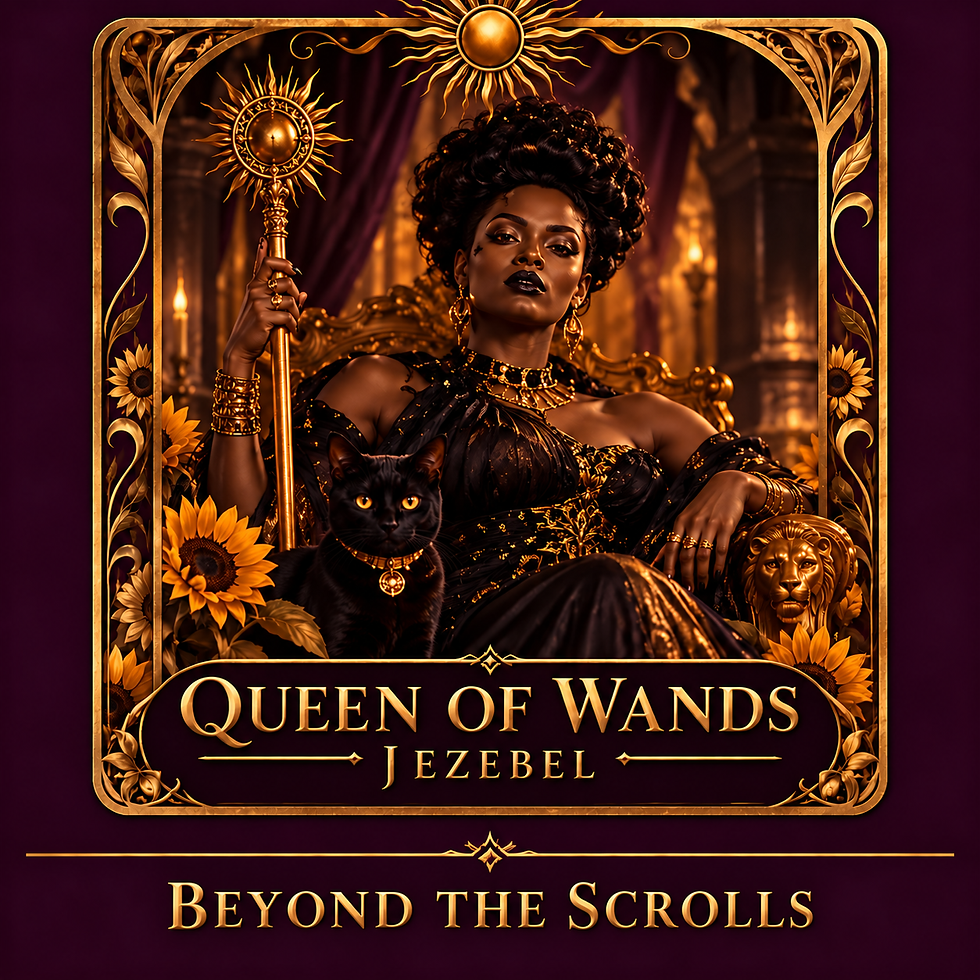
*AI generated.
Why Mythic Stories Still Matter
Myths have survived for thousands of years not because they are old, but because they remain useful. They give shape to experiences that are difficult to explain: loss, change, identity, purpose, sacrifice, and renewal.
Across cultures and generations, people have returned to mythic stories when facing uncertainty. While the costumes and settings may change, the questions often remain the same.
Mythic storytelling continues to resonate because it:
Connects us to cultural memory and tradition.
Explores questions that have no simple answers.
Provides symbolic language for personal growth and transformation.
Inspires new forms of art, storytelling, and creativity.
Creates shared meaning and community.
At their core, myths are not relics of the past. They are living stories that continue evolving alongside us.

*Photo AI generated.
Reimagining Mythic Stories
One reason myths endure is their flexibility. The same archetypal patterns appear in novels, films, visual art, music, games, and spiritual practice.
Rather than repeating old stories exactly as they were told, creators often reinterpret them through a modern lens.
You might:
Recast a traditional hero as an unlikely outsider.
Reimagine a trickster figure in a digital world.
Blend creation myths with futuristic settings.
Use mythic symbols to explore contemporary challenges.
Draw on folklore to inspire original worlds and characters.
The goal is not historical accuracy. The goal is meaningful storytelling.
Mythic Storytelling in Modern Culture
Mythic storytelling appears far beyond ancient texts. Its influence can be found throughout literature, film, games, visual art, and music.
Stories featuring transformational journeys, encounters with the unknown, sacred symbols, and struggles between order and chaos all draw from mythic traditions. Even when creators are not adapting a specific myth, they often borrow the structures and archetypes that myths introduced centuries ago.
This influence helps explain why audiences continue connecting with stories that feel larger than life while remaining deeply human.
Final Thoughts
Mythic storytelling genres offer more than entertaining tales of gods, heroes, and monsters. They provide symbolic frameworks for understanding transformation, resilience, community, and meaning.
Whether encountered through folklore, modern fiction, film, art, or personal creative practice, myths continue to remind us that the stories we tell shape the worlds we inhabit.
Happy myth-making!


Comments